Introduction
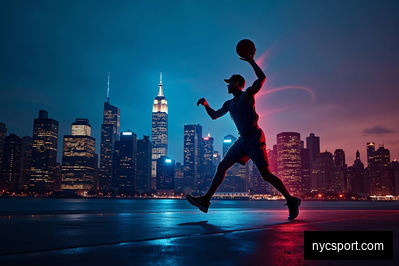
New York City, a bustling metropolis renowned for its iconic skyline, diverse culture, and vibrant communities, also plays a pivotal role in fostering local community engagement through sports. The city's relationship with sports extends beyond hosting major leagues and international events; it is deeply woven into the fabric of local communities. This blog post delves into the multifaceted role of NYC sports in enhancing community engagement, exploring the impact of grassroots initiatives, public sports programs, and the influence of professional teams and athletes on local development.
From basketball courts in Harlem to soccer fields in Queens, sports serve as a universal language that bridges cultural gaps, fosters social cohesion, and promotes health and well-being. By examining specific examples, statistics, and case studies, we will uncover how NYC's sports culture contributes to the empowerment of its communities, highlighting the benefits and challenges of leveraging sports for social impact.
In this Introduction section, we delve deeper into the allure of New York City. Beyond its awe-inspiring skyline, the city's rich history beckons exploration, from the iconic Statue of Liberty to the historical neighborhoods like Greenwich Village. Understanding the city's roots adds a layer of appreciation to its vibrant present.
Grassroots Initiatives and Their Impact on Local Communities
Grassroots sports initiatives in New York City have significantly contributed to local community engagement by providing accessible and inclusive opportunities for participation. Organizations such as South Bronx United and the Brooklyn Bridge Park Conservancy have created programs that not only teach sports skills but also focus on personal development, education, and community building. South Bronx United, for example, combines soccer with educational services, mentoring, and leadership development to engage youth in underserved communities, demonstrating a holistic approach to community engagement through sports.
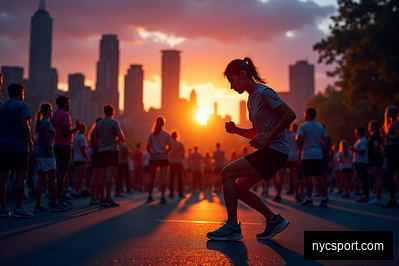
Moreover, the growth of community-run sports leagues and events has facilitated social cohesion, bringing together individuals from diverse backgrounds to share common interests and goals. These initiatives often rely on volunteer support and local sponsorships, highlighting the community's active role in their success. The annual Citywide Soccer Tournament, which attracts teams from various neighborhoods, exemplifies how sports can unite communities and foster a sense of belonging and pride.
One standout grassroots initiative making waves in local communities is the "Greening the City" project in Chicago. This initiative focuses on transforming vacant lots into urban gardens, not only fostering community engagement but also promoting sustainability and healthy living.
Public Sports Programs and Accessibility
The New York City Department of Parks & Recreation plays a crucial role in promoting community engagement through public sports programs and facilities. With hundreds of sports fields, courts, and recreational centers across the five boroughs, the department ensures that residents have access to sports and physical activities regardless of their socioeconomic status. This democratization of sports access is essential in a city as diverse and densely populated as New York.
Public programs, such as Shape Up NYC, offer free fitness classes to people of all ages, reducing barriers to participation and encouraging a healthy lifestyle. Additionally, initiatives like the Community Parks Initiative focus on revitalizing under-resourced parks and playgrounds in low-income neighborhoods, ensuring equitable access to quality sports and recreational facilities. These efforts not only enhance physical well-being but also foster community engagement by creating spaces where residents can meet, interact, and build relationships.
In addition to the efforts by the New York City Department of Parks & Recreation, many public sports programs across the country are enhancing accessibility for individuals with disabilities. For instance, the City of Los Angeles offers adaptive sports programs that cater to diverse needs, ensuring inclusivity and equal participation.
The Influence of Professional Teams and Athletes
Professional sports teams and athletes in New York City have a profound impact on local communities, serving as role models and catalysts for engagement. Teams such as the New York Yankees and the Brooklyn Nets have established community outreach programs that address social issues, support education, and promote health and wellness. The Yankees' HOPE Week (Helping Others Persevere & Excel) is a notable example, featuring a week-long community service initiative where players engage in activities designed to make a positive impact on the lives of individuals, families, and organizations in need.
Athletes, with their wide-reaching influence, also play a significant role in inspiring youth and promoting positive social change. For instance, former New York Knicks player Allan Houston has leveraged his platform to create the Allan Houston Legacy Foundation, which focuses on fatherhood and entrepreneurship programs. Such efforts underscore the potential of professional sports figures to inspire action and foster a sense of community and shared purpose.
Beyond the exhilarating games they play, professional teams and athletes often serve as ambassadors for social change. Take the Brooklyn Nets' commitment to community outreach programs, inspiring local youth to stay active and pursue their dreams. This influence extends far beyond the court, shaping a brighter future for many.
Challenges and Opportunities
While the role of NYC sports in fostering local community engagement is significant, it also presents challenges. Issues such as funding, space availability, and program sustainability can impact the reach and effectiveness of sports-based community initiatives. Securing consistent financial support is crucial for the longevity of grassroots organizations and public programs, which often rely on grants, donations, and volunteerism to operate.
Moreover, the competition for space in a densely populated city can limit access to adequate facilities, particularly for larger team sports. Addressing these challenges requires innovative solutions, such as multi-use spaces, partnerships between public and private sectors, and increased investment in community sports programs. Nevertheless, the opportunities for using sports as a tool for social cohesion, youth engagement, and community development in NYC are vast. By fostering collaboration among stakeholders and leveraging the city's diverse sports culture, it is possible to enhance the impact of sports on local communities.
Digging deeper into the challenges and opportunities within NYC sports, one prominent issue lies in balancing tradition with innovation. While maintaining the rich legacy of iconic teams like the Yankees and Knicks is crucial, embracing modern technologies and fan engagement strategies presents exciting avenues for growth.
Conclusion
In conclusion, the role of sports in fostering local community engagement in New York City is multifaceted and profound. From grassroots initiatives to public programs and the influence of professional teams and athletes, sports offer a powerful platform for promoting social cohesion, health, and well-being. Despite the challenges, the potential for sports to unite and empower communities in NYC is undeniable. As stakeholders continue to recognize and leverage this potential, the impact of sports on local community engagement is poised to grow, strengthening the social fabric of New York City.
For communities, organizations, and individuals in NYC, the key to maximizing the benefits of sports lies in collaboration, innovation, and a commitment to inclusivity and accessibility. By working together to tackle challenges and seize opportunities, the power of sports can be harnessed to create more cohesive, healthy, and vibrant communities across the five boroughs.
Expanding on the conclusion, it is evident that sports events like the annual New York City Marathon not only promote community unity but also boost the local economy through increased tourism and business opportunities. This symbiotic relationship between sports and community development showcases the transformative power of athletic endeavors.